Danish Aerospace Company A/S (DAC) had a disappointing 2025. The Danish developer of training equipment and health monitoring systems for astronauts achieved lower-than-expected revenue and EBITDA. CEO Thomas A.E. Andersen said the results were “not satisfying” during a presentation of the company’s annual report on 20 April.
“This is primarily due to a number of contracts that did not come in quite as quickly as we had anticipated, including add-on contracts. We also had some one-time costs related to administrative clean-up and the merger of our subsidiary Danish Aerospace Medical Company into DAC, which also had an impact,” the CEO said.
DAC to Change Name
But this has not left Andersen pessimistic. In fact, DAC recently raised 24.7 million DKK in a rights issue, which has remedied a lot of the financial strain on the company. It also allows the company to look forward – and to new markets.
“With this rights issue, we are in a completely different financial position. We are a company that can now take on some of the major upcoming contracts, hopefully, from the large companies that we are in dialogue with. We are well-capitalised, such that we are ready to face the future,” Andersen said.
Notably, DAC has fixed its eyes on the defence sector. In fact, defence is becoming so important to the company, that its Board of Directors has proposed to change the company name to “Danish Aerospace and Defence Company A/S” ahead of the annual general meeting on 30 April.
Astronaut Sensors Valuable for Pilot Training
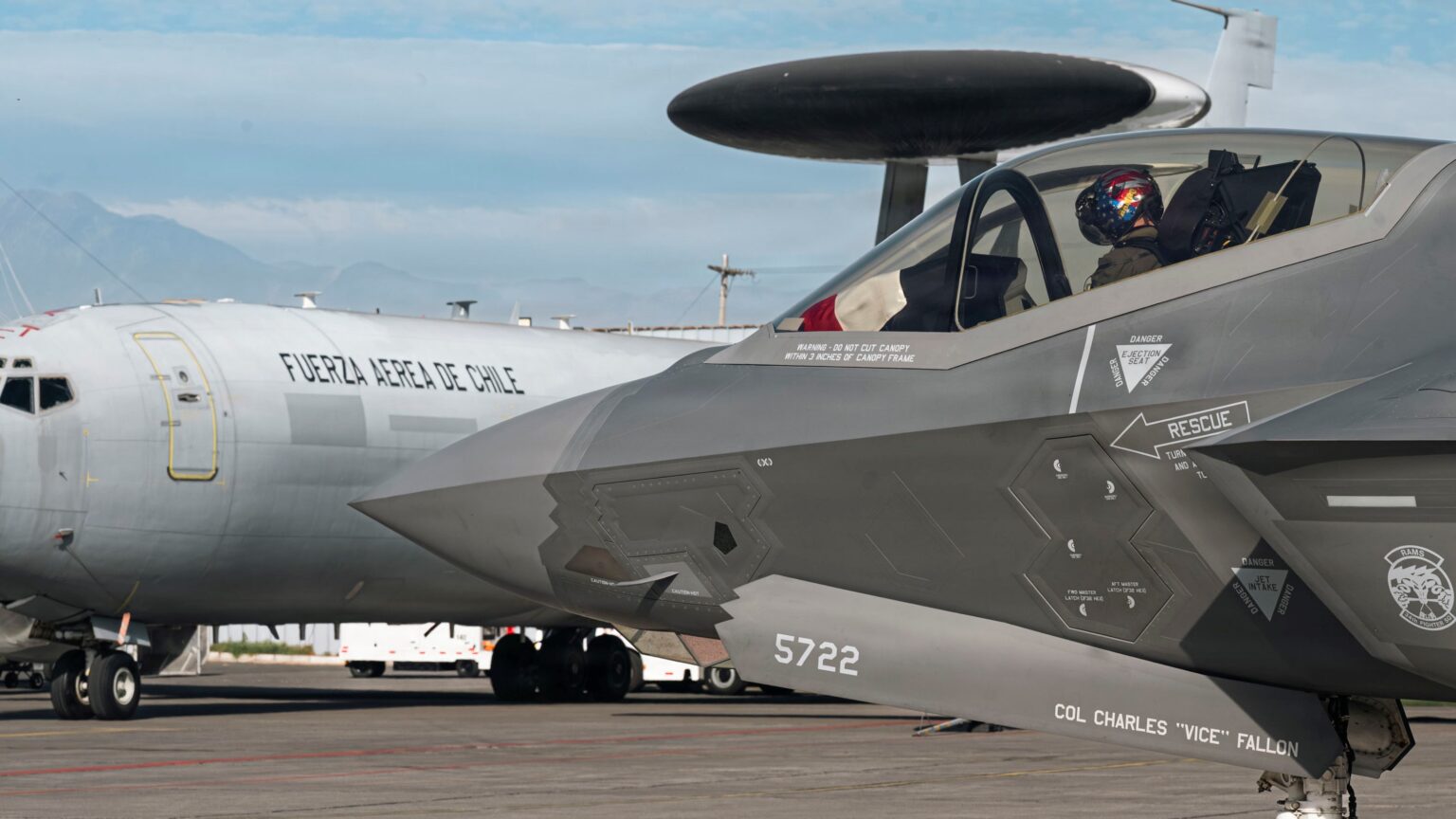
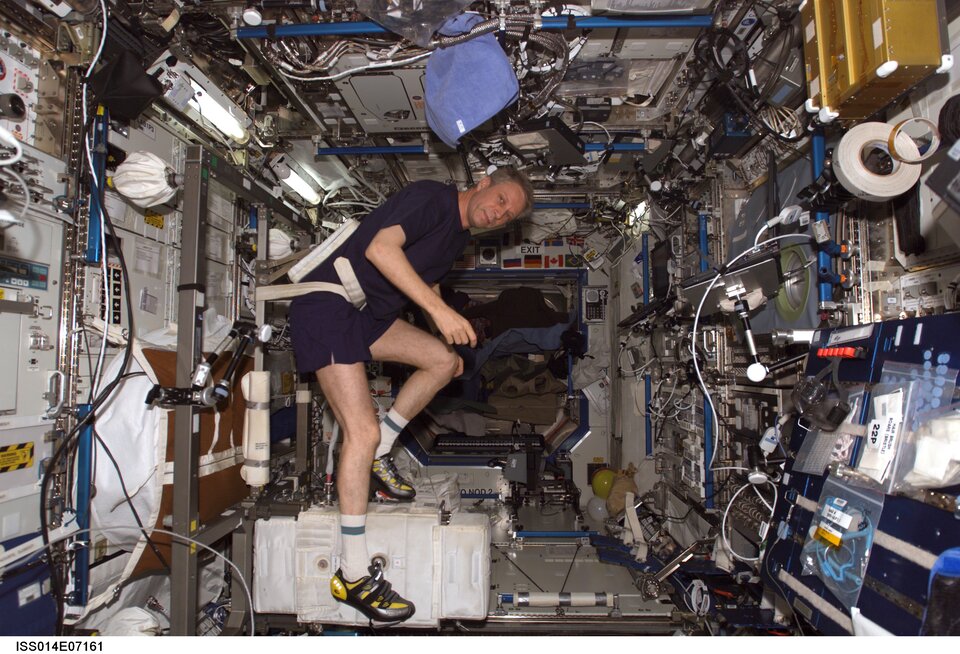
Andersen especially sees potential in the wearable health monitoring sensors that the company develops for astronauts onboard the International Space Station. The sensors could prove valuable during fighter pilot training to monitor under which circumstances they lose the ability to concentrate, for example during high g maneuvers. The company’s astronaut exercise equipment could equally find buyers in the defence sector, for instance onboard submarines or on bases in the Arctic, where access to regular forms of exercise are not easily at hand.
“The capital raise provides a great opportunity to invest within the defence sector. When we deliver components, many of them are already MIL-components [MIL-SPEC components], meaning components that have been developed for the military. Many of the tests that need to be carried out on the equipment [for use in space] are similar to those required when the equipment is to be used in extreme environments, whether that is the desert or the Arctic,” Andersen remarked.
He also pointed out that DAC is one of just 10 Danish companies that hold an AS9100 certification.
“This is the global aerospace and defence industry’s ISO [International Organization for Standardization] standard. It is defined by the major aircraft manufacturers Boeing and Airbus and all equipment within aerospace and the defence must be designed according to it. If you want to talk to the large prime contractors in the USA, they will almost not speak to you unless you have this certification,” Andersen said.
Exercise on the Moon
Regarding DAC’s core business, Andersen also sees great promise for the future. The company’s new E4D exercise equipment arrived at the International Space Station (ISS) on 13 April and is expected to be put to use sometime this week or next. The ISS was, until recently, expected to be de-orbited in 2030, but the space agencies operating the aging station now discuss an extension until 2032, perhaps even longer. Several companies are vying to build commercial space stations to succeed the ISS and DAC has already signed a contract with one of them – Axiom Space – and delivered the first exercise equipment.
Andersen’s ambitions even reach the Moon, where NASA and its partners in the Artemis program intend to build a permanent surface base.
“Even on the Moon, where there is a small amount of gravity, there will still be a need for our health monitoring and our exercise equipment,” he pointed out.